Overview of the Counselor Education Program
Overview of the Counselor Education Program
The Counselor Education Master of Education (M.Ed) program at the University of Maryland Eastern Shore prepares professional counselors in one of two specializations: Clinical Mental Health Counseling, or School Counseling. This is a 60 credit program. Most courses are held in person one day per week in the evenings, with one course offered on an intensive weekend format. There are a limited number of summer courses. Clinical experiences (practicum and internship) must be completed during operating hours of the clinic, agency, or school internship site and should be completed in settings on the Eastern Shore.
Our Specializations
Clinical Mental Health Counseling Specialization:
Upon graduation, candidates for the Clinical Mental Health Counseling specialization will have completed all of the academic requirements to sit for their licensure exam in order to become a Licensed Graduate Professional Counselor (LGPC), which allows them to practice under the supervision of a qualified, licensed supervisor in an agency or private practice setting in the state of Maryland. After completion of required supervised hours after graduation, graduates are eligible to apply to become a Licensed Clinical Professional Counselor (LCPC), which allows them to practice independently in the state of Maryland. If a student desires to practice in a state other than Maryland, then they must inquire about requirements for the state in which they desire to practice.
School Counseling Specialization:
Upon graduation, candidates for the School Counseling Specialization meet all of the requirements to become a Certified School Counselor in the state of Maryland. Graduates who are interested in practicing in other states will need to meet the requirements of that state for transferring licenses or certifications. See the section on Licensure and Certification below for more details.
Counselor Education Academic Requirements
The course of instruction will involve the successful completion of 60 credits with at least a 3.0 GPA, leading to a Master of Education (M.Ed.) degree. In order to graduate from the Counselor Education program, students must successfully complete the following:
A minimum of 60 credit hours (see the School Counseling and Clinical Mental Health Counseling sections of this web page for a complete list of required courses and a course of study sheet with the course sequence for each specialization). Included in the program are the following requirements:
100 hour practicum (3 credits)
600 hour internship (6 credits)
Reflective Portfolio Project (3 credits)
Comprehensive Exam
Please note that students must receive a criminal background clearance in order to receive a practicum and internship placement. This is a necessary component of program completion.
Accreditation
The University of Maryland Eastern Shore is a public historically Black land-grant research university in Princess Anne, Maryland. It is part of the University System of Maryland. It is classified as R2: Doctoral University, and is regionally accredited by the Middle States Commission on Higher Education.
The School Counseling specialization is a Maryland Approved Program by the Maryland State Department of Education.
The Counselor Education Program at UMES completed a self-study of the program in August 2021, in preparation for application for pursuing national accreditation by the Council for Accreditation of Counseling and Related Educational Programs (CACREP). This self-study resulted in program modifications and improvements over the past several years in order to meet national standards and provide excellence and best practices in counselor education.
Methods of Instruction
Our program incorporates a variety of instructional methods in order to prepare candidates with the knowledge, skills, and dispositions needed to become effective professional counselors. Methods include demonstration of skills, guided skill practice, counseling role play simulations, cooperative learning activities, discussion, case studies, self-reflection and self-awareness exercises, lecture, reading, writing, design of counseling-related projects, research, application of knowledge to case scenarios, and critical analysis. Candidates are expected to be actively engaged in the classroom and to make positive contributions to the learning environment and to strive for personal and professional growth through the program.
School Counseling
School Counseling Specialization
The School Counseling specialization prepares graduates to become licensed as professional school counselors within pre K-12 public and private schools in Maryland.
The School Counseling specialization is a Maryland Approved Program by the Maryland State Department of Education (MSDE).
The University of Maryland Eastern Shore prepares professional school counselors who are transformational leaders, collaborators, and social justice advocates for the educational, career and social-emotional success of each and every student. Our focus is on evidence-based counseling, prevention/mental health promotion, and systemic change in order to close achievement and attainment gaps and achieve positive impacts on students as evidenced by outcome data. Our curriculum is based on national standards and best practice models, including the American School Counselor Association National Model for School Counseling Programs. UMES students in the school counseling specialization embrace professionalism, reflective practice, innovation, diversity, and effective delivery of services to their schools and communities.
Students who meet all of the requirements of the school counseling specialization automatically meet the requirements for licensure as school counselors in the state of Maryland. A Maryland Approved Program stamp is affixed to graduates’ transcripts as evidence to employers that students graduated from a Maryland Approved Program and are eligible for Maryland licensure as a Professional School Counselor. Reciprocity is available in some states for students who wish to receive certification in another state, while some states may have additional requirements. For information on individual state requirements, students should contact that state’s Department of Education.
Courses Required of all Students in both Specializations 36 credits (3 credits each):
CNED 604 – Theories and Techniques of Counseling
EDUC 620 – Human Growth and Development
EDUC 690 – Introduction to Behavioral Research
CNED 640 – Group Processes in Counseling
CNED 670 – Ethical, Legal and Professional Issues in Counseling
CNED 645 – Cross-Cultural Perspectives in Counseling
CNED 655 – Social Diversity in Counseling
CNED 605 – Assessment in Counseling
CNED 660 – Crisis Management in Counseling
CNED 635 – Diagnosis and Psychopathology
CNED 606 – Clinical Applications in Counseling
CNED 675 – Professional Knowledge Skills and Practices
School Counseling Specialization Courses 24 credits (3 credits each):
CNED 601 – Introduction to School Counseling
CNED 632 – College and Career Readiness Counseling
CNED 643 – Counseling Children and Adolescents
CNED 646 – Organization and Administration of School Counseling Programs
SPED 600 – Characteristics of Exceptional Individuals
CNED 671 – Practicum in School Counseling
CNED 677 – Internship in School Counseling I
CNED 697 – Internship in School Counseling II
Print a School Counseling Program of Study Form to keep track of your progress! Your advisor will also work closely with you as you progress.
Course syllabi are available to current and prospective students for review by contacting the Education Department office.
For more information on the School Counseling Specialization, you may contact Dr. Gretchen Foust, Associate Professor and Coordinator of the School Counseling Specialization, at gefoust@umes.edu.
Clinical Mental Health Counseling
Clinical Mental Health Counseling
The Clinical Mental Health Counseling specialization prepares general practitioners for employment working with children, adolescents, and/or adults in settings as diverse as outpatient mental health agencies, clinical assessment centers, college counseling centers, hospitals, community advocacy organizations, and private practice.
This specialization emphasizes social justice to promote the practice of professional counseling. Our curriculum teaches counselors in training to diagnose and treat mental and emotional disorders, including addictive disorders. Counselors’ training in the provision of counseling and therapy includes the etiology of mental illness and substance abuse disorders, and the provision of the well-established treatments of cognitive-behavioral, interpersonal, and psychodynamic therapy. Counselors’ education and training is oriented toward the adoption of a truly client centered, and not primarily illness centered, approach to therapy. Our program is committed to educating counselors who will serve as advocates for all clients and work to close mental health access and outcomes gaps. We prepare forward-thinking clinical mental health counselors who are advocates, leaders, and collaborators.
Requirements (total 60 credits)
Courses Required of all Students in both Specializations 36 credits (3 credits each):
CNED 604 – Theories and Techniques of Counseling
EDUC 620 – Human Growth and Development
EDUC 690 – Introduction to Behavioral Research
CNED 640 – Group Processes in Counseling
CNED 670 – Ethical, Legal and Professional Issues in Counseling
CNED 645 – Cross-Cultural Perspectives in Counseling
CNED 655 – Social Diversity in Counseling
CNED 605 – Assessment in Counseling
CNED 660 – Crisis Management in Counseling
CNED 635 – Diagnosis and Psychopathology
CNED 606 – Clinical Applications in Counseling
CNED 675 – Professional Knowledge Skills and Practices
Clinical Mental Health Counseling Specialization Courses 24 credits (3 credits each):
CNED 602 – Introduction to Clinical Mental Health Counseling
CNED 631 – Career and Life Development
CNED 636 – Substance Abuse Counseling
CNED 637 – Treating Emotional Disturbances
CNED 612 – Marriage and Family Counseling
CNED 672 – Practicum in Clinical Mental Health Counseling
CNED 679 – Internship in Clinical Mental Health Counseling I
CNED 699 – Internship in Clinical Mental Health Counseling II
Print a Clinical Mental Health Counseling Program of Study Form to keep track of your progress! Your advisor will also work closely with you as you progress.
Course syllabi are available to current and prospective students for review by contacting the Education Department office.
Program Outcomes
Annual Statistics by Specialty Area
Annual Statistics by Specialty Area 2024-2025
Annual Statistics by Specialty Area 2023-2024
Annual Statistics by Specialty Area 2022-2023
Annual Statistics by Specialty Area 2021-2022
Annual Statistics by Specialty Area 2020-2021
Annual Reports
2024-2025 Annual Report – coming in fall 2025
Meet Our Faculty!
CORE FACULTY
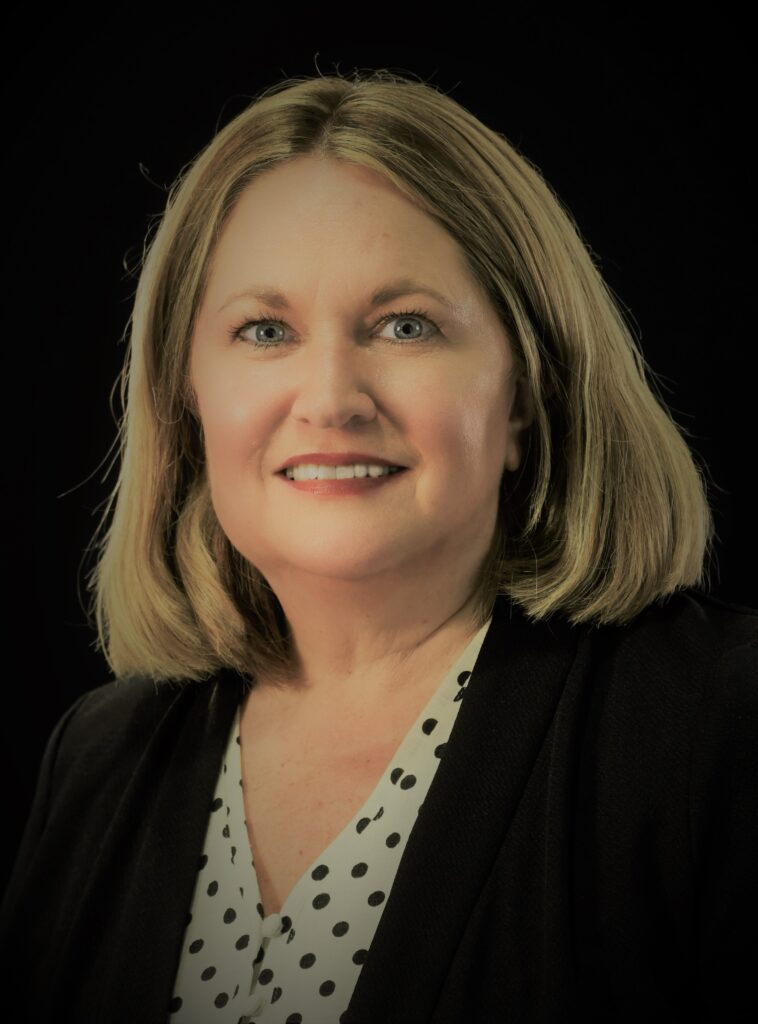
Dr. Gretchen Foust
Director of Counselor Education
Associate Professor of Counselor Education
Ed.D., Counselor Education, The Pennsylvania State University
Counseling Credentials:
- School Counseling Leadership Specialist, American School Counselor Association, 2020-2030
- National Board Certified School Counselor (NBPTS: National Board for Professional Teaching Standards) 2009-2019
- Elementary School Counselor Certificate, PA, Permanent
- Secondary School Counselor Certificate, PA, Permanent
Contact Information:
gefoust@umes.edu
410-621-2253
Dr. Foust has thirteen years of experience as a school counselor at the elementary, middle school, and high school levels, including career and technology education, in Pennsylvania and Maryland. While she was a school counselor at Delmar Elementary in Wicomico County, she achieved National Board Certification in School Counseling through the National Board for Professional Teaching Standards (NBPTS). She previously taught as an Assistant Professor of CounselorEducation at Penn State, and has served for 19 years in the UMES Counselor Education Program.
Dr. Foust is a seasoned certified school counselor who has served students at the elementary, middle, and high school levels, including career and technology education, in Pennsylvania and Maryland. She also has experience as a career counselor at Penn State. She has taught in the Counselor Education Programs at Penn State and at the State University of New York – Oneonta.
Dr. Foust has served two terms on the Executive Board of the Maryland School Counselor Association as Postsecondary Vice President, and continues to be involved on MSCA committees, having served for years on the Annual Conference Committee and currently serving on the Awards & Recognition Committee. She represented Maryland at the American School Counselor Association (ASCA) Leadership Development Institute. She has presented workshops at the American School Counselor Association conference, and earned ASCA designation as a School Counseling Leadership Specialist. She was named the 2022 Maryland School Counselor Educator of the Year by the Maryland School Counseling Association.
Her interests include school counseling. play and expressive arts counseling with children and adolescents, international school counseling, global comparative education, career development. positive psychology, prevention and mental health promotion. She completed a sabbatical in Spring 2026 with Semester at Sea, traveling and learning with a shipboard community of lifelong learner colleagues, faculty, staff, and university students while visiting Thailand, Malaysia, Vietnam, India, Kenya, South Africa, Ghana, Morocco, Spain, and Germany. This was her third voyage with Semester at Sea, having sailed in 2005 as the Dependent Children’s School Coordinator and in 2013 as the Alumni & Development/International Programs Coordinator, which took her to additional ports of call in China, Hong Kong, Brazil, Venezuela, England, Turkey, Greece, Malta, Italy, Gibraltar, and Portugal.
Dr. Kimberly Poole-Sykes
Chair of the Education Department
Professor of Counselor Education
Rh.D., Rehabilitation Counseling, Southern Illinois University
Counseling Credentials:
- Licensed Clinical Professional Counselor, MD
- Licensed Clinical Supervisor, MD
Contact Information:
kjpoolesykes@umes.edu
410-651-6220
Dr. Poole-Sykes is a practicing Maryland Licensed Professional Counselor and clinical supervisor. She currently serves on the Maryland State Board of Professional Counselors and Therapists, where she contributes to both the Credentialing Committee and the Ethical and Legal Review Committee.
She has more than twenty years of clinical experience, including the treatment of adolescents and adults with substance use disorders, adolescents with disabilities, and youthful offenders in correctional facilities. She maintains a private practice where she works with adult clients. She also supervises Licensed Graduate Professional Counselors, providing clinical guidance and oversight.
For the past two years, Dr. Poole-Sykes was awarded and has overseen five state-funded contracts totaling $375,000 to support efforts that strengthen the counseling pipeline. These initiatives have expanded access to scholarships and introduced educational programming on topics such as substance use disorders and the role of artificial intelligence in counseling.
INSTRUCTIONAL FACULTY
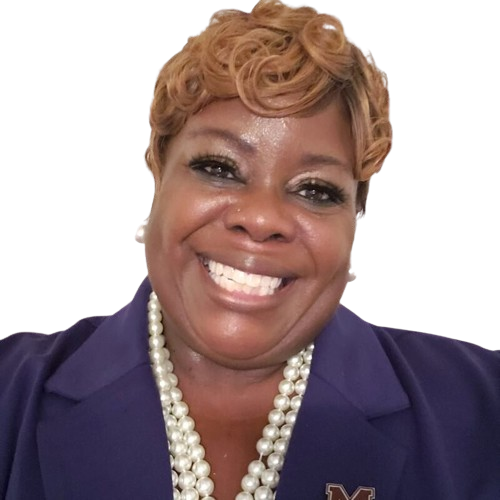
Ms. Karen Simon
Adjunct Affiliate Faculty
M.S., Rehabilitation Counseling, University of Maryland Eastern Shore
Counseling Credentials:
- Licensed Graduate Professional Counselor, MD
- National Certified Counselor
Contact Information:
kcsimon@umes.edu
Ms. Simon is a Salisbury, MD native, U.S. Army veteran and a Licensed Practical Nurse, with over two decades of experience in healthcare. Bringing a unique blend of clinical expertise, trauma-informed care, and faith-based practices into both her teaching and therapeutic work, her professional background includes substance use disorder treatment, psychiatric rehabilitation, and community-based mental health services. She is passionate about helping others building resilience and purpose. She integrates evidence-based counseling strategies with a focus on accessibility, equity, and compassionate care. Her mantra is “Let’s Talk About It!—a reminder that healing begins with honest conversation and the courage to face what has been left unspoken.
Our Mission and Program Objectives
Our Mission
The mission of the Counselor Education Program at the University of Maryland Eastern Shore is to prepare professional counselors in the Clinical Mental Health Counseling and School Counseling specializations with the knowledge, skills, and dispositions needed to develop professional counseling relationships that empower diverse individuals, families, and groups to accomplish mental health, wellness, education, and career goals. We achieve this by empowering candidates to “Engage, Learn, Grow, and Advocate” throughout their program in order to become professional, reflective, innovative, effective professional counselors who value diversity and advocate for social justice. An emphasis on social justice is an integral part of what we value, teach and model. By recognizing the assumptions of the world, its people, and norms, our program curriculum engages our students to develop a knowledge of diversity issues, self-awareness of their own identity, and biases, resulting in equitable delivery of services.
Our Program Objectives and Outcome Goals
1. Prepare candidates with a strong professional identity
Outcome 1a. Candidates will develop a strong professional counselor identity as evidenced by assumption of a variety of appropriate roles and functions of professional counselors, as defined by professional counseling organizations.
Outcome 1b. Candidates will be involved in national and/or state or local professional counseling organizations such as the American Counseling Association, American Mental Health Counselors Association, American School Counseling Association, Maryland Counseling Association, Maryland School Counseling Association, etc. Involvement is evidenced by memberships, conference/training/webinar attendance, presentations, publications, leadership roles, and/or committees.
Outcome 1c. Candidates will apply professional ethical codes and laws to case studies and clinical practice.
2. Prepare candidates who reflect on their practice for continuous professional and personal development
Outcome 2a. Candidates will reflect on their individual and small group counseling and other interventions and use reflections to improve their practice.
3. Provide instruction in innovative, evidence-based practice
Outcome 3a. Candidates will identify theoretical and evidence-based rationales for their interventions.
Outcome 3b. Candidates seek out opportunities for continuous learning inside and outside the classroom.
4. Prepare candidates who value diversity and advocate for social justice for clients/students.
Outcome 4a. Candidates will use social justice strategies to advocate for all clients/students and address institutional and societal barriers to access to services and equitable outcomes for clients/students.
Outcome 4b. Candidates will reflect on their own biases in order to ensure non-discriminatory and inclusive, affirming practice.
5. Prepare candidates who are effective at empowering diverse individuals, families, and groups to accomplish mental health, wellness, education, and career goals.
Outcome 5a. Candidates will demonstrate content knowledge in professional counseling orientation and ethical practice, social and cultural diversity, human growth and development, career development, counseling and helping relationships, group counseling and group work, assessment and testing, and research and program evaluation.
Outcome 5b. Candidates will demonstrate growth in mastery of individual and group counseling skills and skills specific to their specialty area.
Outcome 5c. Candidates will display professional dispositions identified by the UMES Education Department and the Counselor Education Program during classroom and clinical experiences.
Admissions and Application Information
Ready to join us? APPLY HERE!
Regular Admission
To be considered for regular admission, an application includes:
- Completion of a bachelor’s degree from an accredited institution
- GPA of 3.0 or higher on a 4.0 scale
- Essay
- Three Letters of recommendation
- Interview
Applicants are evaluated on the following criteria based on applications, transcripts, essays, letters of reference, and interviews:
- relevance of career goals
- aptitude for graduate-level study
- potential success in forming effective counseling relationships
- respect for cultural differences
Application Deadlines
Application Deadline for Fall Admission: May 1st
Application Deadline for Spring Admission: Nov. 1st
Application Deadline for Summer Admission: April 1st
Provisional Admission
Provisional status may be granted to exceptional applicants who do not meet all of the requirements for admission. For such applicants, the following areas will be evaluated:
- potential for academic success
- ability to enter in counseling relationships as a helper,
- readiness to take advantage of the learning opportunities in the program,
- prior life experiences, coursework, and relevant professional history.
Applicants who possess an overall GPA of 2.75 may be admitted to Provisional Status. Provisional Status students must maintain a 3.30 average in the first nine approved credit hours of graduate level courses in the Counselor Education program. A student who is considered to have potential for success, but lacks adequate course preparation for Counselor Education, may be asked to complete additional courses to enhance their background in related fields.
Financial Aid Scholarships, and Paid Professional Development Opportunities
Our program has several resources for assisting students with the cost of graduate study, including scholarships and graduate assistantships.
Scholarships
Clinical Mental Health Counseling – This opportunity supports Clinical Mental Health Counseling students preparing to work with individuals affected by substance use disorder. Participants receive paid professional development through coursework and community based learning.
* Funding varies annually and is not guaranteed.
The Counselor Education Scholars Program – This grant-funded scholarship is for students in the Clinical Mental Health Counseling Specialization
School Counseling Scholarships:
The Hazel Graduate Endowment Scholarship – This scholarship is for students in the School Counseling specialization and is offered each fall and spring semester. Click here for an application with more information on eligibility requirements.
The Carmen Lilly Endowment Fund – This scholarship is for students in the School Counseling specialization and is awarded by faculty nomination.
State of Maryland – Funded
For more information about these scholarships, contact Dr. Michael Nugent at manugent@umes.edu.
Graduate Assistantship
The Counselor Education Program has one graduate assistantship position in the Education Department.
For more information, contact Dr. Kimberly Poole-Sykes, Chair of the Education Department, at kjpoolesyked@umes.edu.
Counseling Licensure and Career Information
Clinical Mental Health Counseling
Professional Counselor Licensure
Students graduate with the necessary academic coursework to be eligible to sit for the National Counselor Examination (NCE) and pursue additional supervised professional experience leading to licensure as a Licensed Clinical Professional Counselor (LCPC) in the state of Maryland. This license allows the counselor the flexibility to work independently, bill insurance companies and operate a private practice.
After completion of the program and passing the NCE, graduates can become a Licensed Graduate Professional Counselor (LGPC). The LGPC is a temporary license that serves as a stepping stone to the LCPC. A Licensed Graduate Professional Counselor is approved by the Board to practice graduate professional counseling for a limited period of time under the supervision of an approved supervisor while fulfilling the supervised clinical experience required for the LCPC license. See the LGPC Application for more details. Once the 3 years (minimum 3000 clinical hours) are complete, the LGPC can apply for the LCPC. Note: Of the 3 years, 2 years shall be post-graduate clinical supervision hours. One year may be acquired before the awarding of the master’s degree (practicum and internship).
The National Board of Certified Counselors (NBCC) provides the national standard in the mental health counseling profession. The Maryland Licensing Board uses the NCE as its credentialing exam. The title LCPC – Licensed Clinical Professional Counselor – is a highly regarded indicator of professionalism. LCPC professionals must hold at least a master’s degree in counseling or a closely related field from a regionally accredited institution, and must sit for the NCE and the Maryland State Law Test.
For information about licensure requirements for Licensed Clinical Professional Counselor and other state licensure and certification requirements, please visit the following webpage: https://health.maryland.gov/bopc/Pages/profcounselor.aspx
Careers and Employment in Clinical Mental Health Counseling
Graduates of our program are employed in a variety of settings, including outpatient mental health facilities, inpatient and residential care facilities, wraparound services, community agencies, and college and university counseling centers.
Employment of substance abuse, behavioral disorder, and mental health counselors is projected to grow 18 percent from 2022 to 2032, much faster than the average for all occupations, according to the Bureau of Labor Statistics. Employment growth is expected as people continue to seek addiction and mental health counseling. The median annual wage for substance abuse, behavioral disorder, and mental health counselors was $59,190 in 2024. Please note that the Bureau of Labor Statistics does not differentiate licensed clinical mental health counselors with a master’s degree from other substance abuse and behavioral counselors. The U.S. Bureau of Labor Statistics Occupational Outlook Handbook provides occupational information, employment outlook, and wages for Substance Abuse, Behavioral and Mental Health Counselors. In Maryland, the median salary for licensed clinical mental health counselors ranges from $66,000 to $74,000 per year, varying by type of license (graduate or full license), work setting (private practice and hospitals having higher earnings than community mental health clinics and prisons), location (cities with higher cost of living having higher wages than rural areas), experience, and focus on high demand specialty areas. The range of salaries goes from entry level licensed graduate professional counselors starting at about $57,000, with experienced fully licensed counselors in cities earning up to $90,000-100,000.
School Counseling
School Counseling Licensure
The School Counseling specialization is a Maryland Approved Program. Students who meet all of the requirements of this specialization and graduation from the UMES Counselor Education program also automatically meet the requirements for licensure as a school counselor in the state of Maryland.
The Maryland State Department of Education specifies the routes by which school counselors can qualify to practice school counseling in the state of Maryland. Graduates of the School Counseling specialization qualify for Maryland certification under Option II – Maryland Approved Program.
Reciprocity is available in some states for students who wish to receive additional licensure or certification in another state, while some states may have additional requirements (such as a specific number of internship hours at specific school levels, specific coursework, years of experience, etc.). Students who wish to be licensed or certified in additional states should contact that state’s Department of Education and consult their website to be aware of any additional requirements for eligibility to practice school counseling in that state. The American School Counselor Association maintains a database of state-by-state requirements for licensure or certification as a school counselor and links to each state’s Department of Education Certification Office, but it is the student’s responsibility to verify the requirements directly with each state of interest, as requirements may change at any time.
Careers and Employment in School Counseling
Graduates of our program are primarily employed in public Pre-K – 12 schools. Some graduates are employed in private Pre-K – 12 schools or colleges and universities. Most public school positions are 10 month positions, and some have opportunities for summer employment.
Employment of school and career counselors and advisors is projected to grow 4 percent from 2024 to 2034, as fast as average for all occupations, according to the Bureau of Labor Statistics. The median annual salary for school and career counselors and advisors was $65,140 for school and career counselors and advisors. Please note that the Bureau of Labor Statistics does not report on School Counselor salaries separately from career counselors and advisors. The median annual wage for school counselors in Maryland public schools was $96,535 in October 2025, according to the Maryland State Department of Education. School counselors typically work a 10 month contract. You can view the mean, median, and quartile salaries for Maryland school districts in October 2025 at a glance; see page 12 of the Analysis for Professional Salaries for Maryland Public School Counselors, October 2025 to view mean, median and quartile salaries for school counselors by Maryland county. Salaries for school counselors working in private schools vary, with religious and small rural independent schools generally paying lower salaries and elite private schools in high cost of living cities sometimes offering higher salaries.
For more specific information on salaries for school counselors, the most accurate information you can obtain is to visit the websites of school districts of interest. Salary schedules are public information on school district websites. School counselors are generally paid on a teacher’s salary beginning at the master’s degree level. The schedule for increased wages with increasing years of experience is available on the salary schedule charts.
